The Eco Guild

A local table for farmers and land stewards.

Each Eco Guild belongs to a particular place. It brings together the people who care for that land. The land’s condition and history determine the route. That route is Eco Conservation or Eco Restoration.

Choose the ecological starting point

One Eco Guild. Two ecological channels.

Choose the channel that reflects the land’s present ecological condition. Both begin at the same farmer-facing institution.

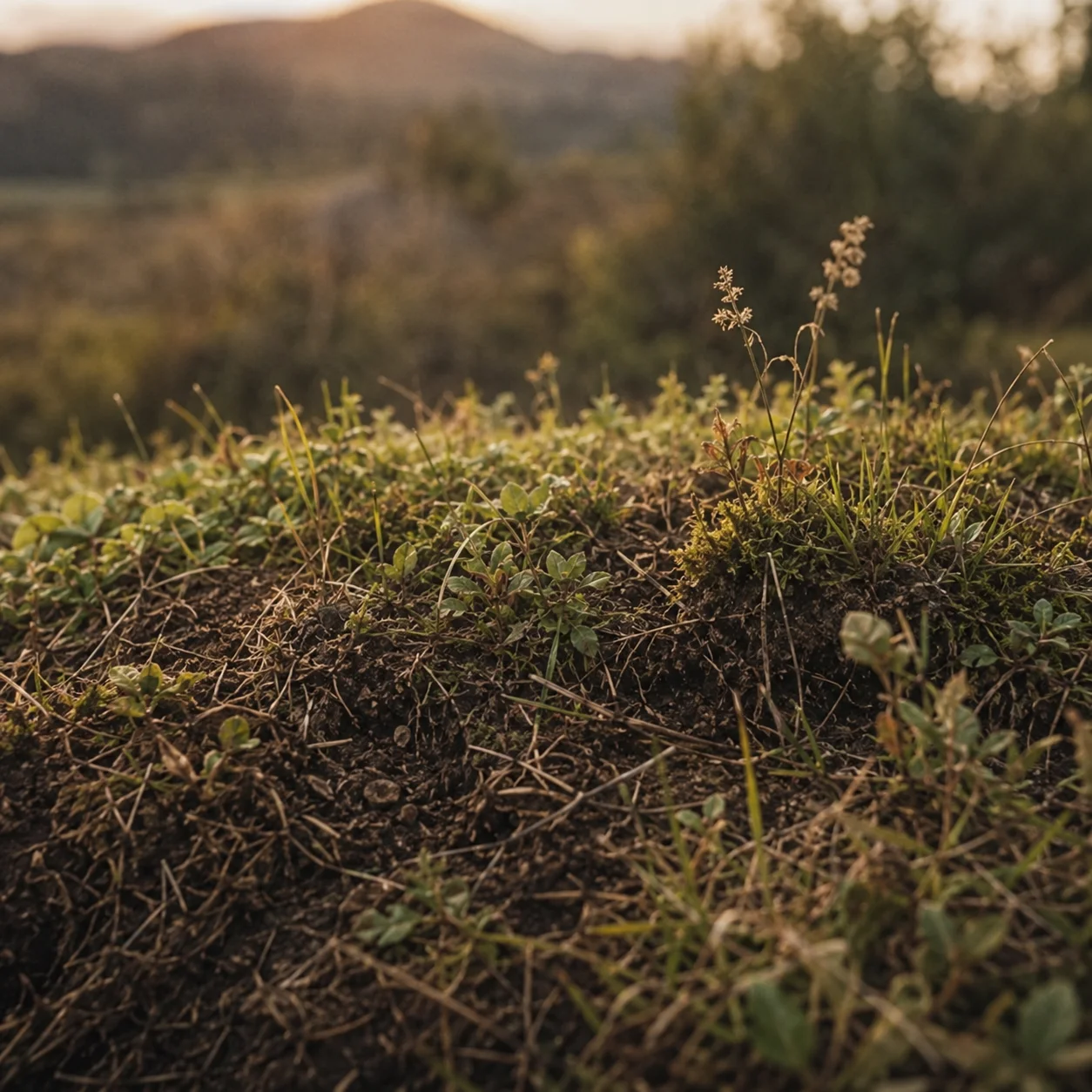
Intact living soil and native groundcover representing ecological continuity.

Eco Conservation

Land that has stayed whole.

For land protected through long-term care, restraint and responsible use. The Eco Guild helps record its condition, continuity and stewardship.

Programme: Sielsgrond Programme

Explore Eco Conservation
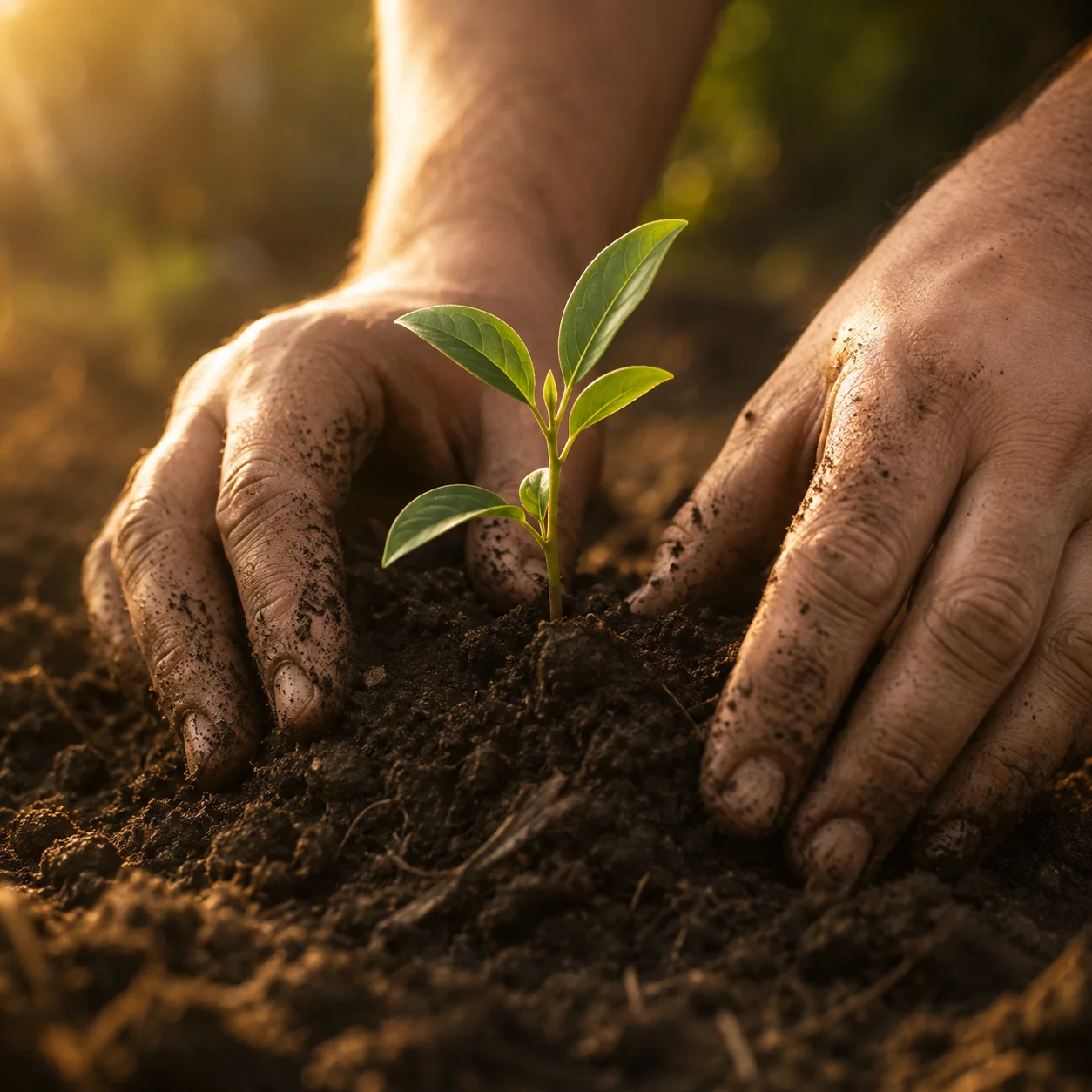
Hands planting a young seedling in soil as part of active ecological restoration.

Eco Restoration

Land that needs active repair.

For land requiring ecological recovery. The Eco Guild helps define the work, the evidence and the route towards restoration.

Programme: Restoration Programme

Explore Eco Restoration
WHAT AN ECO GUILD IS

A local table for shared landscape work

An Eco Guild brings farmers and land stewards in one place together around the land they know, the practical constraints they face and the ecological questions they share.

Shared Table

Farmers and land stewards bring farm and land knowledge, maps, observations, practical constraints, shared landscape concerns and local experience to one table.

Shared public record

Agreed priorities, visible rules, shared observations and suitable public information can be recorded clearly.

Early orientation

The Guild can help a farmer or land steward understand which ecological route may be relevant, what basic land information will be needed and which programme conversation should follow.

WHAT MEMBERS CAN DO TOGETHER

Practical cooperation across a shared landscape

Participation creates a place for practical work that is difficult to coordinate farm by farm.

Local learning

Members may compare field experience, discuss ecological conditions and learn from local and external knowledge. Each Guild agrees its own suitable meeting pattern.

Shared buying and logistics

Members may combine suitable orders, coordinate delivery and share transport or access arrangements where that reduces avoidable duplication.

Mapping across boundaries

Watercourses, habitats, access routes, ecological corridors, protected or sensitive areas and neighbouring land relationships can be considered together.

Visible fairness rules

Each Guild records the applicable local allocation and participation rules openly so members can understand how shared activities and responsibilities are handled.

Field visits and shared observations

Members may walk land, compare observations and field photographs, review practical conditions and identify shared problems or opportunities.

District-level understanding

Observations from neighbouring properties can build a shared district picture of ecological patterns, practical needs and relationships across the wider Guild landscape.

HOW PARTICIPATION BEGINS

Begin with a local conversation

Participation begins with a local relationship, the land context and agreement to the Guild’s applicable rules.

Begin through a local relationship

A farmer or land steward may begin by speaking with a participating farmer, a recognised Field Steward or the relevant local Eco Guild contact.

Bring the land context

Bring the farm or relevant land polygon, together with available maps and practical context.

Agree to the local rules

Participation requires agreement to the Guild’s applicable rules for cooperation, accurate information, respectful conduct, land access where relevant and claims boundaries. Responsible use remains subject to the applicable ecological route.

THE REGULAR WORKING RHYTHM

The work returns to the land

The exact schedule belongs to each Eco Guild. The rhythm remains recurrent, practical and grounded in local conditions.

Review the land

Members walk relevant areas, compare current conditions with maps and photographs, and note what needs further attention.

Coordinate practical needs

Members coordinate suitable materials, access, transport, field visits and work that benefits from cooperation across properties.

Meet and learn together

The Guild creates recurring opportunities to compare experience, discuss field observations, ask questions and agree practical next actions.

Update the shared record

Agreed observations, priorities, responsibilities and suitable public information are returned to the shared record.

THE AUTHORITY BOUNDARY

What the Eco Guild does not do

The Guild supports local cooperation while land, programme, evidence and payment authority remain where they belong.

No control over members’ land

The Eco Guild does not own, manage or control a member’s farm or Licensed Farming Areas.

No programme decision authority

The Eco Guild does not grant programme admission, accept evidence or determine programme outcomes.

No custody of programme funds

The Eco Guild does not hold programme funds, approve payments or authorise releases.

Explore Eco Guilds on the map

See Eco Guilds, registered farms and mapped land across South Africa.

Open the Eco Guild map